
A hospital stay can change a family’s plans very quickly. One day, your loved one may be living at home with limited support. A few days later, hospital staff may explain that returning home alone may no longer be safe.
For many families, this can feel overwhelming. You may be trying to understand discharge instructions, speak with social workers or case managers, review medications, coordinate transportation, and decide where your loved one should go next.
In some situations, choosing assisted living after hospital discharge may be the right fit for your family. This is especially true when an older adult needs help with daily living, medication management, meals, mobility, or supervision, but does not need 24-hour skilled medical care.
At Abbey Manor, families often come to us during this critical transition. Our goal is to help you understand your options, ask the right questions, and determine whether a supportive residential setting may help your loved one feel safer, more comfortable, and more at peace after hospitalization.
Need help planning next steps after a hospital discharge? Call Abbey Manor at 410-620-4126 or schedule a private tour to speak with our team.

Why Hospital Discharge Can Create a Sudden Care Decision
What Each Care Option Means
Discharge planning often begins while a patient is still in the hospital. According to MedlinePlus, a doctor, nurse, social worker, or other provider may help create a discharge plan and decide whether the person can return home or needs care in another setting, such as rehabilitation or a nursing facility.
For older adults, a hospital stay can reveal changes that were not as noticeable before. Your loved one may have new weakness, confusion, memory loss, trouble walking, or a higher fall risk. They may also need help bathing, dressing, eating well, or following new care instructions.
This is where family members often have to make quick decisions. The question becomes: Is home still safe, or is more daily support needed?
Transitioning to Assisted Living Directly From the Hospital
Independence and Lifestyle
Yes, in some cases, a senior can move to assisted living after hospital discharge. The right next step depends on the person’s medical condition, mobility, memory, daily needs, and ability to participate in a residential care environment.
Assisted living may be appropriate if your loved one needs help with:
- Bathing, dressing, grooming, or toileting
- Medication reminders or medication management
- Meals and hydration
- Mobility and fall prevention support
- Housekeeping and laundry
- Social engagement and daily structure
- Memory care support for cognitive decline or dementia symptoms
To quickly understand what setting fits your family’s current situation, use this general care comparison:
| If Your Loved One Needs… | The Right Setting Is Likely… |
|---|---|
| • Daily IV therapy • Advanced or intensive wound care • Constant clinical monitoring • Daily aggressive physical/occupational therapy |
Skilled Nursing / Short-Term Rehab |
| Medication management & adjustments • Assistance with basic daily tasks (ADLs) • General mobility & fall prevention support • A safe, socially engaging routine |
Assisted Living / Memory Care |
Important Discharge Rule of Thumb: If your loved one requires intensive clinical services in the first row, the hospital care team will typically recommend short-term rehab or a skilled nursing facility first. Once they no longer need that level of medical care, they can transition into a residential setting.
Some seniors move from the hospital to short-term rehab first, then transition into a residential community once they no longer need complex medical monitoring. Others are ready for assisted living directly after discharge, depending on their personal care assessment and physician recommendations.
When your loved one is ready for that step, Abbey Manor offers a boutique, residential assisted living alternative to large institutional care right here in Elkton, MD, making us conveniently located for families throughout Cecil County and nearby Delaware communities.
Not sure what level of care your loved one needs right now? You don’t have to figure it out alone. Call our team at 410-343-4553. We’re here to help you talk through your options and find the safest, most comfortable path forward, including assisted living, short-term respite, or specialized memory care.
Signs It May Not Be Safe for a Loved One to Return Home
A sudden hospital discharge can bring important safety concerns to the surface. It may be time to discuss assisted living or respite care if your loved one:
- Has had recent falls or is afraid of falling
- Forgets medications or takes them incorrectly
- Has trouble preparing meals or eating regularly
- Needs help bathing, dressing, or using the bathroom
- Becomes confused, especially in the evening
- Shows signs of memory loss or cognitive impairment
- Wanders or becomes unsafe at home
- Needs more help than family caregivers can provide
- Has frequent hospital visits or repeated health setbacks
For seniors with dementia, safety becomes an immediate priority. A sudden change in routine can trigger confusion, and according to the National Institute on Aging guide on wandering, this behavior is common in people with Alzheimer’s disease. The guide recommends taking proactive safety steps to reduce the risk of a loved one becoming lost after leaving a hospital environment.
If memory loss, cognitive decline, or dementia is part of your loved one’s needs, Abbey Manor’s memory care in Elkton, MD, may offer a safer, more structured environment with personalized support.
What Families Should Ask During Discharge Planning
Discharge planning can move quickly, so it helps to prepare questions for hospital staff, discharge planners, case managers, or social workers.
Ask questions such as:
- What care will my loved one need after discharge?
- Can they safely return home alone?
- Do they need short-term rehab, skilled nursing, assisted living, or respite care?
- Will they need physical therapy or other therapy services?
- What medications have changed?
- Will they need help with daily living?
- Are there signs of cognitive impairment or memory loss?
- What transportation needs to be coordinated?
- What follow-up appointments are required?
- What should family caregivers watch for after discharge?
Hospitals that participate in Medicare must have an effective discharge planning process that focuses on the patient’s goals and treatment preferences. Federal discharge planning requirements also include caregivers or support persons as active partners in planning post-discharge care.
That means your family has a voice in the process. Speak up about what you are seeing, what support your family can realistically provide, and what concerns you have about safety at home.
How Abbey Manor Supports a Smoother Transition After Hospitalization
When a loved one cannot safely return home after a hospital stay, a smaller assisted living community can offer comfort, support, and peace of mind.
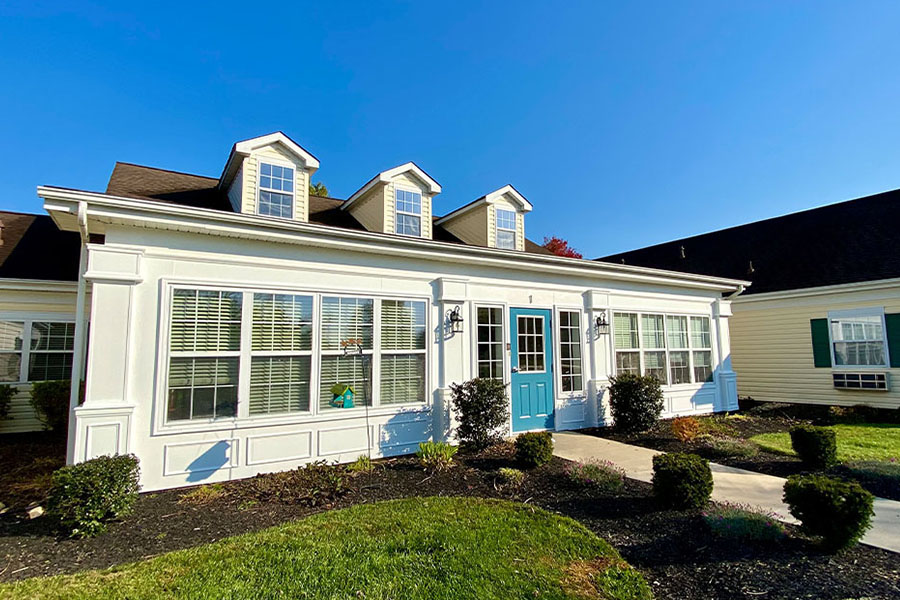
Abbey Manor provides personalized care in a warm residential setting in Elkton, Maryland. Our team works to understand each resident’s needs, routines, preferences, and level of assistance. For many families, this can make the transition feel less stressful and more personal.
Support may include help with daily living, medication management, meals, mobility, supervision, memory care, and emotional well-being. Our private suites and home-like environment can also help residents settle into a calmer routine after the disruption of hospitalization.
For families who are not ready for a long-term plan, respite care in Maryland may be a helpful short-term option. A respite stay can give caregivers time to rest, prepare the home, attend to work or family needs, or determine whether assisted living may be the right long-term fit.
Families can also view our private suites and home-like living spaces to better understand what daily life at Abbey Manor can feel like.

Talk Through the Next Steps With Abbey Manor
A sudden discharge can feel like too much to manage at once. You do not have to figure it out alone.
If your loved one is leaving the hospital and may need more daily support, Abbey Manor can help you talk through the next steps. We can discuss your loved one’s needs, explain available services, and help you determine whether assisted living, memory care, or respite care may be the right fit.
Call Abbey Manor today at 410-620-4126 or schedule a private tour. Our team can help you take the next step with more confidence and peace of mind.
Frequently Asked Questions
Sources
- MedlinePlus: Guidance on hospital discharge plans and how providers help determine whether a patient should go home or to another care setting. https://medlineplus.gov/ency/patientinstructions/000867.htm
- Electronic Code of Federal Regulations: Medicare hospital discharge planning requirements, including caregiver involvement in post-discharge care planning. https://www.ecfr.gov/current/title-42/chapter-IV/subchapter-G/part-482/subpart-C/section-482.43
- National Institute on Aging: Guidance on Alzheimer’s wandering risk and safety considerations for caregivers. https://www.nia.nih.gov/health/alzheimers-changes-behavior-and-communication/coping-alzheimers-behaviors-wandering-and