From warm weather to extra sunlight, there are plenty of great things about summer. On the downside, the high temperatures can pose serious health risks, especially for older adults. According to the Centers for Disease Control and Prevention, adults aged 55 and older account for the majority of heat-related deaths.
One especially dangerous condition is heat stroke, which affects your body’s ability to regulate temperature. Because it escalates quickly, it’s essential to recognize the symptoms of heat stroke in elderly individuals early on. Let’s take a closer look at common elderly heat stroke warning signs as well as top heat stroke prevention tips for seniors.
What Is Heat Stroke? Understanding the Threat
Heat stroke is a serious condition in which the body reaches high temperatures (over 104 degrees F) and can’t cool itself down. Without speedy intervention, it can lead to organ failure, brain damage and even death.
It’s important to note that heat stroke is different from heat exhaustion, which is a more minor form of heat stress. While heat exhaustion can typically be treated with rest and hydration, heat stroke demands urgent care. The chart below highlights some key differences:
| Classic Heat Exhaustion Signs | Classic Heat Stroke Signs |
|---|---|
| Heavy sweating | Hot, dry skin and profuse sweating |
| Dizziness | Confusion/disorientation |
| Nausea or fatigue | Unconsciousness or seizures |
| Slightly elevated or normal body temperature (below 104ºF) | Abnormal body temperature (above 104ºF) |
To detect this condition quickly, you need to know how to recognize heat stroke in elderly individuals.
Elderly Heat Stroke Warning Signs You Should Never Ignore
Due to age-related bodily changes, older adults are more at risk of developing heat stroke. That’s why it’s crucial to recognize elderly heat stroke warning signs.
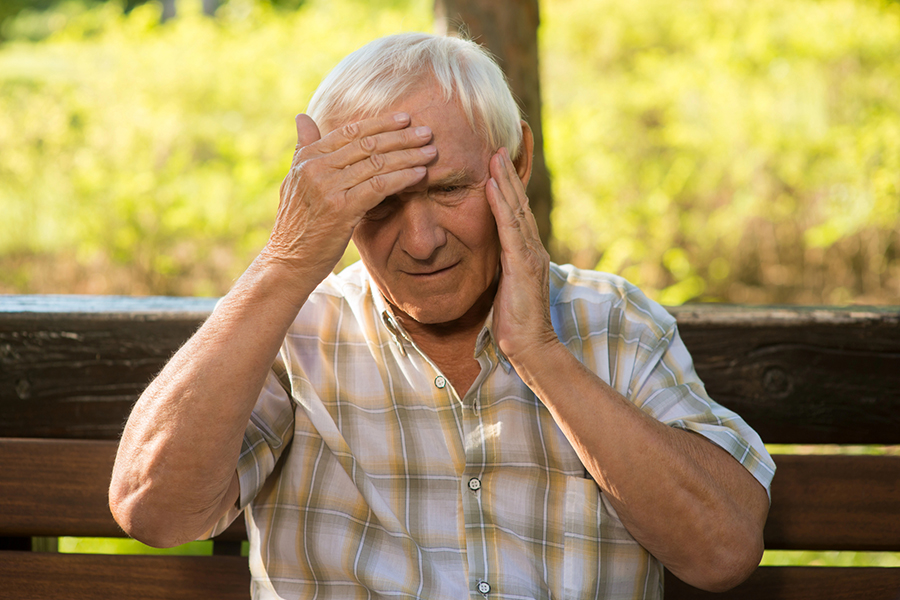
Early Heat Stroke Symptoms
Early signs of heat stroke in older adults include:
- Headaches
- Dizziness
- Nausea or vomiting
- Muscle cramps
Advanced Heat Stroke Symptoms
When left unaddressed, those signs may escalate to the following:
- Heavy sweating or sudden lack of sweat
- Confusion or agitation
- Seizures
- Skin that’s hot to the touch
- Unconsciousness
Concerned about the well-being of your loved one? We can help. Contact us at 410-620-4126 to find out how our assisted living community ensures the safety and comfort of seniors, especially in preventing heat-related illness.
Why Are Seniors More Vulnerable to Heat Stroke?
As mentioned above, older adults are more likely to experience heat stroke. But what makes them so vulnerable? Here are some top contributing factors:
- Age-related changes. As you age, your body becomes less efficient at cooling itself, making it harder to maintain a safe internal temperature.
- Chronic health conditions. Conditions such as heart disease, diabetes and respiratory illnesses can impact the body’s ability to respond to heat illness.
- Certain medications. Medications that affect hydration, such as diuretics and beta blockers, can interfere with fluid and temperature regulation.
- Reduced thirst sensation. Studies show that older adults are more likely to be dehydrated due to a lower water intake, increasing the likelihood of heat stroke.
At Abbey Manor, we offer health and wellness services to protect older adults from heat stress. We are experienced with age-related changes and know how to consider individual medical needs.
Immediate Actions for Heat Stroke in Elderly Loved Ones
While you can take precautions to prevent heat stroke, there’s always a risk (especially during the summer). To stay prepared, familiarize yourself with these immediate actions with heat stroke in elderly individuals:
- Contact emergency services. Call 911 as soon as you notice signs.
- Avoid fluids. Do not give the person fluids, as that’s a choking hazard.
- Begin cooling measures. While waiting for paramedics, try cooling measures such as moving the person to a cooler room, removing excess clothing and applying ice packs to areas such as the neck, armpits and groin.
Contact us at 410-620-4126 to learn how our trained staff handles emergencies.
Heat Stroke Prevention Tips for Seniors
Although heat stroke is a scary condition, the good news is it’s largely preventable. Here are some top heat stroke prevention tips for seniors:
- Stay hydrated. Drink cool water regularly, and avoid diuretics like alcohol and caffeine.
- Prepare for the weather. Wear loose, light-colored clothes to avoid overheating. If possible, stay inside air-conditioned buildings during peak sunlight hours (10 a.m. to 4 p.m.).
- Use cooling devices. Beat the heat by taking a cool shower, relaxing in a cool bath or using fans and AC.
- Check in regularly. Check in with loved ones to make sure they’re doing well and let them know how you’re doing.
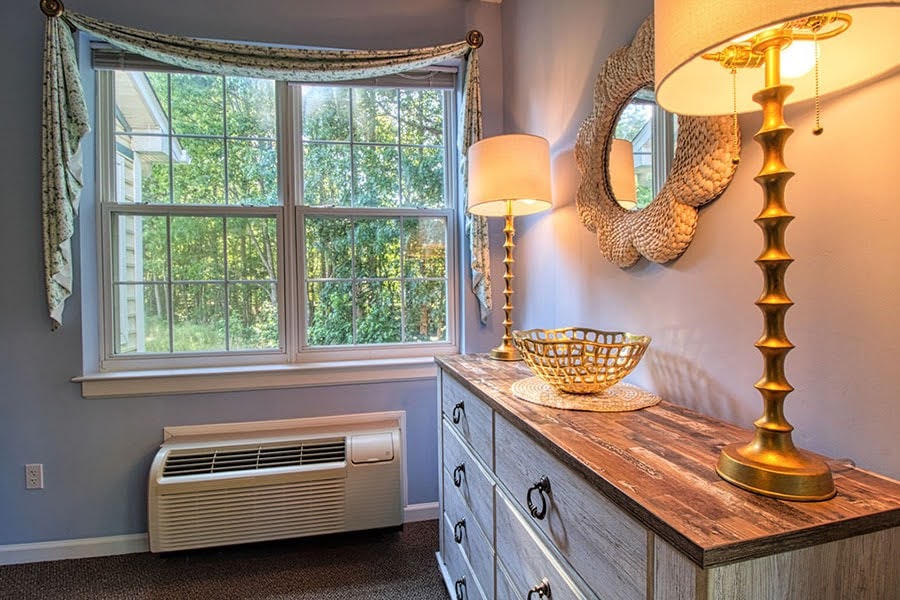
Even if you’re remaining indoors, it’s important to take safety precautions. At Abbey Manor, we offer suites equipped with safety features, helping ensure older adults stay comfortable, cool and secure.
How Abbey Manor Protects Residents From Heat-Related Risks
There’s no doubt that heat stroke is a serious concern for older adults. That’s why Abbey Manor goes above and beyond to keep seniors safe through the following services:
- 24-7 caregiver support
- Personalized care plans
- Hydration and nutrition services
- Regular wellness checks
- Air-conditioned spaces
Schedule a tour to learn more about our environment and staff!
Frequently Asked Questions
Your Next Step Toward Peace of Mind for Your Loved One
Dealing with the risk of heat stroke isn’t easy. Fortunately, early recognition and preventive steps can go a long way in protecting older adults. And you don’t have to navigate this challenge alone. Abbey Manor is here to support you and your loved ones every step of the way. Contact us today at 410-620-4126 to schedule a personalized tour!